
Is Your Dog Limping? Top Signs of a Torn Cruciate Ligament You Should Not Ignore
02 July 2026
A limping dog may be signalling a serious knee injury, and understanding the signs of a torn cruciate ligament can help Adelaide dog owners act quickly and seek the right care. Cruciate ligament repair dog Adelaide searches are increasingly common, and for good reason: this injury is one of the most frequent orthopaedic problems seen in dogs across Australia. Knowing what to look for before your vet appointment may make a real difference to your dog’s recovery.
What Is a Cruciate Ligament and Why Does It Matter?
The cranial cruciate ligament (CCL) is a key stabilising structure inside your dog’s knee joint. A torn or ruptured CCL causes the knee to become unstable, which leads to pain, inflammation, and difficulty bearing weight. Without treatment, the joint can deteriorate quickly, leading to long-term arthritis and reduced quality of life.
Top Signs Your Dog May Have a Torn Cruciate Ligament
A sudden or gradual onset of limping is the most common early warning sign. Watch closely for any of the following:
- Sudden lameness in a back leg, often after running or playing.
- Holding one back leg up while standing or walking.
- Sitting with one hind leg angled outward rather than tucked under.
- Swelling or thickening around the knee joint.
- Reluctance to jump, climb stairs, or rise from lying down.
- Muscle loss in the affected hind leg over time.
- A clicking or popping sound coming from the knee area.
Some dogs may show dramatic, sudden lameness. Others limp intermittently for weeks before the ligament fully tears. Either pattern warrants a prompt vet assessment.
Can a Partial Tear Be Missed?
Partial cruciate tears can be easy to overlook because the dog may still put some weight on the leg. The limping may seem to improve with rest, only to return after activity. This pattern of on-and-off lameness is a common sign that the ligament is progressively weakening. Left unmanaged, a partial tear frequently becomes a complete rupture.
Which Dogs Are Most at Risk?
Certain dogs may be more prone to cruciate injuries. Larger and heavier breeds such as Labradors, Rottweilers, and Golden Retrievers are commonly affected. Overweight dogs carry extra load through their joints, which may increase the risk of ligament damage. Younger, active dogs can also sustain sudden traumatic tears during high-impact exercise.
What Happens After a Cruciate Tear?
A torn cruciate ligament does not heal on its own. Surgical repair is typically recommended to restore knee stability and relieve pain. The most common surgical options in Australia include TPLO (tibial plateau levelling osteotomy) and extracapsular repair. Your vet will recommend the most suitable approach based on your dog’s size, age, and overall health. Post-surgical rehabilitation, including controlled exercise and physiotherapy, plays a vital role in recovery.
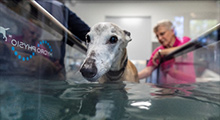
When searching for cruciate ligament repair dog Adelaide options, it is worth looking for a clinic that offers advanced post-operative care. Dogs receiving this treatment in Adelaide, SA, can benefit from access to rehabilitation services such as underwater treadmill therapy and medical laser treatment, which may support faster and more comfortable recovery.
Get Expert Help for Your Dog in Adelaide
If your dog is showing any of the signs above, the team at Pet Universe is here to help. Pet Universe provides expert cruciate ligament repair dog Adelaide services, including surgical care and a state-of-the-art canine rehabilitation centre at their Northgate clinic. Call 1800 735 990 or contact the team online to book an appointment. Acting early gives your dog the best possible chance of a full and comfortable recovery.