
How Your Pet’s Behaviour Can Signal Underlying Health Issues: Insights From a Vet
As a pet owner, you know your furry companion better than anyone. You recognise the sound of their happy bark, the meaning behind a demanding meow, and the comfort of a purring cat nestled on your lap. However, what happens when those familiar routines change? Often, the first sign that something is medically wrong isn’t a visible wound or a fever: it is a subtle shift in behaviour.
As a dedicated vet in Adelaide, we have seen countless cases where a seemingly “naughty” or “strange” behaviour was a cry for help. Pets are hardwired by evolution to hide pain and weakness. In the wild, showing vulnerability makes an animal a target. Consequently, our domesticated dogs and cats are masters of disguise when it comes to illness. It falls to us, their human companions, to read the signs.
The Silent Language of Pain
One of the most common reasons owners book an appointment with a professional is because their pet has suddenly become aggressive or withdrawn. If a normally friendly dog starts growling when you touch their back, or a social cat begins hiding under the bed, pain is often the culprit.
Arthritis, dental disease, or internal injuries can make a pet feel vulnerable. If they anticipate that being touched will hurt, they may snap or retreat to avoid the perceived threat. Similarly, a sudden lack of interest in play or a reluctance to jump onto the couch (for cats or small dogs) often points to musculoskeletal pain. It is crucial not to dismiss these changes as “old age” or a “bad mood.” A thorough examination by a vet in Adelaide can identify the source of the pain and restore your pet’s quality of life.
Changes in Appetite and Thirst
Monitoring your pet’s eating and drinking habits is essential. An increase in water consumption (polydipsia) is a significant red flag. While it can be easy to dismiss on a hot Adelaide summer day, persistent excessive thirst can indicate serious conditions such as kidney disease, diabetes mellitus, or hormonal imbalances like Cushing’s disease.
Conversely, a loss of appetite or difficulty eating can signal dental issues, nausea, or even organ failure. If your pet is drooling excessively, dropping food, or only chewing on one side of their mouth, dental pain is a likely suspect. If you notice these shifts, seeking advice from a vet in Adelaide promptly can make the difference between managing a chronic condition early or dealing with an emergency later.
The “Aging” Trap: Cognitive Dysfunction
Many pet owners assume that as their dog or cat ages, slowing down and “forgetting” rules is normal. While senior pets do slow down, significant behavioural changes such as staring at walls, pacing restlessly at night, getting lost in familiar rooms, or forgetting house-training are not normal signs of ageing. These are symptoms of Canine Cognitive Dysfunction (similar to Alzheimer’s in humans).
If your senior pet seems disoriented or their sleep-wake cycle is reversed (sleeping all day, pacing all night), they are likely suffering from neurological decline. Fortunately, management strategies, dietary changes, and medications can help. A consultation with a vet can help you differentiate between general ageing and a treatable medical condition.
Anxiety and Compulsive Behaviours
While anxiety is often considered a behavioural issue, it frequently has a medical root cause. Sudden onset of anxiety, especially in a previously confident dog, can be caused by pain or thyroid imbalances. Hyperthyroidism in cats, for example, often presents as sudden restlessness, hyperactivity, increased vocalisation (especially at night), and aggression.
Compulsive behaviours, such as excessive licking (which can lead to “hot spots” or skin infections), tail chasing, or fly-snapping (snapping at invisible things in the air), can also be signs of neurological disorders or gastrointestinal discomfort. If your pet is suddenly exhibiting high anxiety or repetitive behaviours, it is wise to rule out a physical illness before seeking a behavioural trainer.
Why Acting Fast Matters
Because pets cannot tell us when they are in pain, we must act as their advocates. The advantage of seeing a vet in Adelaide when behavioural changes first appear is that we can run diagnostics such as blood work, urinalysis, or imaging to get to the root of the problem.
For instance, a cat that starts urinating outside the litter box is often assumed to be “spiteful” or “stressed.” However, in many cases, this is the first sign of a urinary tract infection or painful bladder stones. Delaying a vet visit for this “behavioural” issue can lead to a life-threatening urethral blockage, particularly in male cats. Similarly, a dog that suddenly starts having accidents in the house may have a bladder infection or the onset of kidney issues rather than a lapse in training.
The Pet Universe Difference
At Pet Universe, we understand that bringing your pet to the clinic can be stressful. We pride ourselves on being a trusted vet in Adelaide who listens to your concerns about your pet’s behaviour. We know you aren’t imagining things. We take a holistic approach, combining modern diagnostics with a gentle touch to ensure your pet feels safe while we investigate the underlying cause of their distress.
Whether it is a subtle change in energy levels, a new aggressive streak, or just a gut feeling that something isn’t right, trust your instincts. You know your pet best. We are here to help you decode what their behaviour is trying to tell us.
Conclusion
Your pet’s behaviour is their primary form of communication. A sudden shift, be it aggression, hiding, excessive thirst, or house-soiling, is rarely about “being naughty.” Often, it is the first clue to an underlying health issue that requires medical attention. By paying close attention to these signals and seeking help early, you can prevent minor issues from becoming major emergencies. If you have noticed a change in your pet’s mood or habits, do not wait to see if it passes. Our comprehensive vet services are designed to address everything from routine wellness checks to complex medical diagnoses.
When it comes to the health of your furry family member, early detection is key. If you are concerned about your pet’s behaviour, we invite you to reach out to the caring team at Pet Universe. Let us help you ensure that the behaviour you see is just a happy tail wag or a contented purr, and nothing more serious.
For every pet owner in Adelaide, finding a trusted and capable vet in Adelaide is one of the most important decisions you’ll make. Your furry, feathered, or scaled family member deserves exceptional care throughout their life, from playful puppy or kittenhood into their golden years. With so many clinics across the city, how do you choose the right one? It’s about more than just location; it’s about finding a practice that aligns with your values, offers comprehensive services, and makes both you and your pet feel completely supported. This guide will walk you through the key considerations, ensuring you find a veterinary partner you can rely on for every wag, purr, and squeak.
What to Look for in a Vet in Adelaide
The first step is understanding what truly matters in a veterinary practice. Start by considering the team’s qualifications and approach. A great vet in Adelaide will have a team of experienced, passionate professionals who believe in clear, compassionate communication. You should feel heard and your questions answered without judgment. During your initial visit or enquiry, observe how the staff interact with animals—are they patient and gentle? The clinic environment itself should be calm, clean, and organised, helping to reduce stress for anxious pets. It’s also wise to check their operating hours and emergency protocols. Do they offer after-hours care, or do they refer to a dedicated emergency vet in Adelaide? Knowing where to go in a crisis brings invaluable peace of mind.
Evaluating the Range of Veterinary Services
A top-tier practice should offer a full spectrum of care, preventing the need for stressful referrals for all but the most specialised conditions. Look for a clinic that provides everything from preventative medicine to advanced diagnostics and treatment. Essential baseline services include vaccinations, wellness checks, desexing, and microchipping. However, the mark of a truly advanced vet in Adelaide is their capacity to handle complex health issues in-house. This includes surgical suites, digital X-ray, ultrasound, and an in-house laboratory for rapid diagnostics. For specialised care, enquire about areas like regenerative medicine and endoscopy, which can be minimally invasive solutions for joint issues or internal investigations. Comprehensive care under one roof ensures continuity and often leads to better health outcomes for your beloved companion.
The Importance of a Personal Connection and Ongoing Support
Beyond the equipment and service list, the relationship you build with your veterinary team is paramount. Your chosen vet in Adelaide should be a partner in your pet’s lifelong health journey. This means they take the time to explain conditions and treatment options clearly, without resorting to confusing jargon. They should remember your pet’s name and personality, creating a familiar and reassuring atmosphere at each visit. Look for a practice that offers ongoing support, such as weight management clinics, senior pet health plans, or behavioural advice. This level of attentive, personalised care transforms a clinic from a simple service provider into a trusted extension of your family’s support network, ensuring you never feel alone in managing your pet’s wellbeing.
Specialised Care: From Cat Vets to Canine Rehabilitation
Every species has unique needs, and sometimes, so does every individual pet. If you have a feline friend, finding a clinic with a dedicated cat vet in Adelaide can make a world of difference. Cats are not small dogs; they have specific physiological and behavioural traits. A clinic skilled in feline medicine will understand these nuances, from handling techniques that reduce fear to environment design that minimises stress. Similarly, if your dog is recovering from surgery, managing arthritis, or suffering from an injury, access to expert dog rehabilitation in Adelaide is a game-changer. Modern rehabilitation therapies, including hydrotherapy, laser therapy, and therapeutic exercises, can dramatically improve recovery times, manage pain, and enhance quality of life, helping your dog return to their happy, active selves.
Why Pet Universe is Your Trusted Vet in Adelaide
At Pet Universe, we embody all the principles outlined in this guide and more. We are proud to be a full-service veterinary hospital dedicated to the health and happiness of Adelaide’s pets. Our philosophy is built on a foundation of preventive care, advanced medicine, and a deep respect for the human-animal bond. Our preventative plans keep them healthy, while our advanced surgical and diagnostic capabilities are there when they need them most. We believe in treating every pet as if they were our own, with kindness, expertise, and the highest standard of medical care available.
Choosing the right vet in Adelaide is a significant decision that impacts your pet’s long-term wellbeing. It requires careful thought about the practice’s ethos, the scope of its services, and its ability to provide both general and specialised care. Our team of skilled professionals, state-of-the-art facilities, and heartfelt compassion ensure that your furry family member receives nothing but the best. Ready to find your pet’s new healthcare home? Contact us today to book an appointment or ask any questions. We look forward to welcoming you and your pet to the Pet Universe family.
When it comes to your pet’s well-being, a reactive approach is never enough. Whether you’re a first-time pet owner or a seasoned one, you want the best for your furry companion—and that means understanding the value of proactive health care. If you’re looking for a reliable vet in Adelaide, you’re likely already concerned about keeping your pet happy and healthy for years to come. At Pet Universe Veterinary Centre, pet owners gain access to modern veterinary care that puts prevention at the forefront. In this blog, we’ll explore why preventative pet care is vital, covering everything from routine checkups to vaccinations, dental hygiene, and parasite control.
The Core Elements of Proactive Veterinary Care
The Power of Routine Vet Checkups
Routine checkups are the cornerstone of preventative pet care. Much like humans, pets benefit significantly from regular medical exams, which allow a vet to detect issues early, before they become serious or costly. During these visits, vets perform a full physical exam, assessing your pet’s weight, skin, coat, eyes, and ears, and listen to their heart and lungs. These checkups help catch signs of illnesses such as arthritis, diabetes, kidney issues, or even cancer while they’re still manageable.
Regular visits also give you, the pet owner, a chance to ask questions about nutrition, behaviour, and lifestyle changes. A proactive approach through annual or biannual exams can extend your pet’s life and improve their quality of life—an outcome every responsible pet parent wants. If you’ve been putting off that checkup, it might be time to visit a trusted vet in Adelaide for peace of mind.
Why Parasite Prevention Can’t Be Overlooked
Parasites may be tiny, but their impact can be massive. Fleas, ticks, heartworms, and intestinal worms are more than just annoying—they’re dangerous. A qualified vet in Adelaide will emphasize the importance of year-round parasite control. Even indoor pets are not immune, as humans can unknowingly carry flea eggs or larvae into the home on shoes or clothing.
Fleas can lead to severe skin irritation, allergies, and tapeworms. Ticks can transmit deadly diseases like ehrlichiosis or Lyme disease. Heartworms, spread by mosquitoes, is particularly insidious, often showing no signs until it’s too late. That’s why monthly preventatives—whether oral or topical—are essential.
Dental Health Is More Than Just a Pretty Smile
Dental health is often an overlooked aspect of pet care, yet it’s crucial to your pet’s overall health. Poor dental hygiene can lead to gum disease, infections, tooth loss, and even damage to internal organs like the heart and kidneys.
A professional vet in Adelaide will check your pet’s teeth during routine exams and may recommend dental cleaning under anesthesia if needed. At home, brushing your pet’s teeth regularly and offering dental-friendly treats can go a long way.
Vaccinations: A Lifesaving Measure
Vaccinations are one of the simplest and most effective ways to protect pets from serious, sometimes fatal diseases. A knowledgeable vet in Adelaide will guide you on the appropriate core and non-core vaccines your pet needs based on their age, environment, and daily activities. For dogs, common vaccinations include protection against distemper, parvovirus, hepatitis, and rabies, while cats typically require vaccines for feline herpesvirus, calicivirus, and panleukopenia.
Pets that visit boarding facilities, grooming salons, or dog parks may also need additional vaccinations, such as for kennel cough. Staying current with your pet’s vaccine schedule not only protects them individually but also helps prevent the spread of contagious diseases in the broader pet community. A trusted vet in Adelaide will help develop and maintain a tailored vaccination plan to ensure your pet remains safe year-round.
A Smarter Approach to Pet Health: Pet Universe Veterinary Centre Wellness Plans
At Pet Universe Veterinary Centre, preventative care is at the heart of everything they do. Their tailored wellness plans are designed to help pet owners stay proactive about their pet’s health, with care that’s structured, personalised, and easy to manage. Each plan is built around your pet’s individual needs, considering factors like breed, age, lifestyle, and medical history. This approach ensures that your pet receives timely and appropriate care without unnecessary treatment or surprise expenses. Wellness plans include:
- Comprehensive physical exams at recommended intervals.
- Core and lifestyle-based vaccinations.
- Ongoing parasite prevention (fleas, ticks, heartworm, intestinal worms).
- Dental checks and oral hygiene support.
- Nutritional and weight management advice.
- Health monitoring and progress tracking.
By enrolling in a wellness plan, you’ll also receive reminders for upcoming treatments and appointments, ensuring nothing is missed. Working with a knowledgeable vet in Adelaide through Pet Universe allows you to make informed decisions about your pet’s care before problems arise. Its preventative care made practical, personalized, and stress-free.
Take the Next Step in Your Pet’s Health Journey
By staying on top of regular vet visits, parasite control, vaccinations, and dental care, you’re giving your pet the best chance at thriving. And with support from a dedicated vet, it’s easier than ever to keep your furry family member in top shape. Call Pet Universe Veterinary Centre to schedule a consultation. Let a trusted vet in Adelaide help you build a customized preventative care plan that suits your pet’s unique needs.
If your furry companion is limping or struggling with mobility, it could be time to explore dog cruciate ligament repair in Adelaide. The cranial cruciate ligament (CCL) plays a crucial role in your dog’s knee stability, and injuries to this ligament are common—especially in active breeds. At Pet Universe, we provide expert diagnosis, surgical care, and rehabilitation for dogs requiring dog cruciate ligament repair in Adelaide, helping your pet recover mobility and return to a more comfortable life. Here’s a guide of what you need to know about dog cruciate ligament repair.
Understanding the Cranial Cruciate Ligament and Its Role
What Is the Cranial Cruciate Ligament?
The cranial cruciate ligament is one of the major stabilising ligaments in a dog’s knee joint. It connects the femur (thigh bone) to the tibia (shin bone) and prevents the tibia from sliding too far forward during movement. This ligament also helps manage rotation in the knee. When torn, it compromises your dog’s ability to walk, run, and jump pain-free—making dog cruciate ligament repair in Adelaide a necessary step towards recovery.
How Does the CCL Function?
A healthy CCL ensures your dog’s knee functions smoothly during physical activity. It stabilises the joint, allowing your pet to play without discomfort. But once damaged, it results in joint instability, swelling, and pain. Many dogs with a torn CCL eventually need dog cruciate ligament repair in Adelaide to regain proper knee function and avoid long-term complications like arthritis.
Recognising Symptoms of Cruciate Ligament Injury in Dogs
Identifying a CCL injury early can significantly improve your dog’s chances of recovery. The most common symptoms that may signal the need for dog cruciate ligament repair in Adelaide include:
- Limping or favouring one leg
- Hesitation to run, jump, or climb stairs
- Swelling around the knee joint
- Stiffness after rest or reduced activity levels
- Sensitivity or pain when touching the knee
If you observe any of these symptoms, consult your vet for an evaluation. Delayed treatment can lead to worsening joint issues, so early intervention with dog cruciate ligament repair in Adelaide is crucial.
Why Early Detection Matters
Timely diagnosis allows for appropriate treatment planning before secondary damage sets in. Untreated CCL injuries may lead to muscle loss, cartilage damage, and joint degeneration. Booking an evaluation for dog cruciate ligament repair in Adelaide at Pet Universe ensures your dog gets the care needed to recover effectively.
Treatment Options for Cruciate Ligament Injuries
Not all CCL injuries require surgery immediately. Depending on the severity and your dog’s age or activity level, your vet might recommend conservative approaches like:
- Strict rest and activity restriction
- Anti-inflammatory medications
- Weight management
- Canine physiotherapy
However, many dogs—especially younger and more active ones—eventually need dog cruciate ligament repair to achieve lasting improvement.
Surgical Repair for Better Outcomes
Surgical repair is often the most effective method for restoring full joint stability. At Pet Universe, we customise surgical treatment plans to your dog’s specific needs. Our advanced techniques in dog cruciate ligament repair in Adelaide not only relieve pain but also help prevent joint degeneration over time.
Surgical Repair: What to Expect in Adelaide
Choosing the right procedure depends on factors such as breed, size, and lifestyle. Some of the most common surgical techniques for dog cruciate ligament repair in Adelaide include:
- TPLO (Tibial Plateau Levelling Osteotomy): Alters the tibial angle to neutralise the effects of the torn ligament.
- TTA (Tibial Tuberosity Advancement): Stabilises the joint by shifting the tibia forward.
- Extracapsular Repair: Ideal for small dogs or less active pets, this method uses synthetic material to mimic ligament function outside the joint capsule.
Post-surgery Recovery
Following dog cruciate ligament repair, recovery involves rest, progressive exercise, and often physiotherapy. Rehabilitation is just as important as the surgery itself. Our team at Pet Universe provides tailored post-operative care, including detailed recovery plans and support with services such as hydrotherapy to help your dog regain strength and confidence.
Why Choose Pet Universe for Dog Cruciate Ligament Repair in Adelaide?
Pet Universe is a trusted name for dog cruciate ligament repair, with a compassionate team of experienced veterinarians dedicated to delivering the best outcomes for your pet. From diagnosis to surgery and through recovery, we are with you every step of the way. To learn more about our procedures and surgical options, visit our cruciate repairs page.
Taking Action for Your Dog’s Health in Adelaide
If your dog is showing any signs of a cruciate ligament injury, acting quickly can make all the difference. Whether you need a diagnosis or are ready to explore dog cruciate ligament repair in Adelaide, our team is here to help. Get in touch with Pet Universe to book an assessment. Speak with our friendly staff and take the next step in helping your dog live a healthy, pain-free life in Adelaide.
As pet owners, one of our primary responsibilities is to ensure the well-being of our furry companions. Among the various elements that contribute to a pet’s health, diet plays a crucial role. Just like humans, pets require a balanced and nutritious diet to maintain a healthy weight and live their best lives. Monitoring your pet’s diet involves watching what they eat and how much they consume. Here, we explore signs of weight issues in pets, tips for dietary adjustments, and the benefits of maintaining a healthy weight.
Signs Your Pet May Be Overweight
Obesity in pets is a growing concern and can lead to serious health problems such as diabetes, heart disease, arthritis, and reduced lifespan. Recognising the signs of an overweight pet is the first step towards addressing this issue. One clear indicator is difficulty feeling your pet’s ribs without applying pressure. If your pet has a large belly or no visible waist when viewed from above, these are warning signs of excess weight. Additionally, if your furry friend exhibits lethargy or reluctance to exercise due to carrying extra pounds, it may be time for a dietary assessment.
Indicators Your Pet Might Be Underweight
On the flip side, being underweight can also pose significant health risks for pets. Signs that your pet may be underweight include visible rib bones with little or no fat coverage and a pronounced spine or hip bones. If your pet seems to have low energy levels or is constantly searching for food despite regular feedings, it could indicate insufficient caloric intake or an underlying health issue that requires veterinary attention.
Adjusting Your Pet’s Diet With Bagged Food
If you rely on commercially prepared bagged food for your pet’s meals, there are straightforward ways to make adjustments that suit their dietary needs. First and foremost, read the label carefully to understand the nutritional content and serving recommendations based on your pet’s size and activity level. High-quality bagged foods should list specific meat sources as primary ingredients rather than fillers like corn or wheat.
For overweight pets, consider switching to a lower-calorie formula designed for weight management. These products typically contain higher fibre content to promote fullness while reducing overall caloric intake. Conversely, if your pet needs to gain weight, look for calorie-dense formulas rich in proteins and healthy fats.
It’s essential to transition gradually between different foods over several days by mixing increasing amounts of new food with the old one to prevent digestive upset. Moreover, monitoring portion sizes by using standard measuring cups ensures consistency in daily intake.
Benefits Of Maintaining A Healthy Weight
Ensuring your pet maintains a healthy weight significantly enhances their quality of life. For starters, it reduces the risk of chronic diseases such as diabetes by helping regulate blood sugar levels through proper nutrition. A balanced diet coupled with regular exercise also supports joint health by alleviating undue pressure on bones and joints—particularly important for larger breeds prone to hip dysplasia.
Moreover, maintaining an ideal weight enhances mobility and energy levels—encouraging playful behaviour that strengthens bonds between you and your furry companion during fun activities like walks or playtime at home.
A well-managed diet contributes positively towards dental hygiene too! Chewing kibble helps remove plaque build-up from teeth surfaces—reducing tartar formation linked with gum disease which might otherwise necessitate costly veterinary interventions later down the line.
Furthermore—and perhaps most importantly—a nutritious diet fosters longevity; giving you more precious years together filled with shared adventures whilst minimising costly vet bills associated with treating preventable conditions arising from poor dietary habits. Contact our veterinary clinic, Pet Universe, to learn more about how you can manage your pet’s overall health with a proper diet.
Welcoming a puppy into your life is a joyful and heartwarming experience. Yet, alongside the excitement comes the responsibility of raising a well-adjusted and well-behaved companion. Puppy training is integral in setting the foundation for a happy and healthy relationship between you and your furry friend. Far from being a luxury or optional endeavour, puppy school ensures your new pet learns essential behaviours and social skills, ultimately enriching your lives.
The Importance of Puppy Training
For many pet owners, the idea of training a puppy may seem daunting at first. However, investing time and effort into training during the early months of your dog’s life is vital. A puppy’s brain is at its most malleable during this period, making it the perfect time for learning. Training establishes basic obedience and builds trust and communication between you and your pet. It provides your puppy with the structure and boundaries necessary to explore the world confidently and safely.
Behavioural issues are among the most common reasons dogs are surrendered to shelters. Proper training reduces the likelihood of these problems developing over time. Puppies that learn essential commands and social behaviours early are far more likely to grow into calm, manageable adult dogs. Additionally, training enriches a dog’s mental stimulation and prevents boredom, which can often lead to destructive actions.
Key Skills Taught in Puppy Training
While every dog is unique, there are certain universal skills that every puppy should learn to thrive. Commands like “sit,” “stay,” “come” and “down” are the building blocks for good behaviour. These seemingly simple cues help keep your dog safe and make daily interactions seamless and enjoyable.
Socialisation is another critical aspect of puppy training. Introducing your puppy to various environments, people and other animals early in life helps them develop the social skills necessary to handle diverse situations. Socialisation reduces fearfulness, aggression or anxiety that may arise when encountering new experiences.
Leash training and potty training are equally vital. Walking calmly on a leash ensures enjoyable outdoor outings for you and your dog, while potty training helps avoid accidents at home and teaches your pet to respect indoor spaces. Discovering these life skills during puppyhood ensures smoother integration into family life.
The Step-by-Step Process of Puppy School
Puppy training typically begins with positive reinforcement techniques, which reward good behaviour with treats, praise or play. This approach focuses on encouraging desired actions rather than punishing unwanted behaviours. For instance, rewarding your puppy every time they successfully sit on command teaches them to associate the action with a positive outcome.
Consistency is key throughout the training process. Dogs thrive on routines, and reinforcing commands repeatedly with the same tone and cues helps solidify their understanding. Maintaining consistency among family members is also important, as mixed signals can confuse your pup and hinder their progress.
Puppy school classes are an excellent way to complement your home training efforts. Led by experienced trainers, these classes provide a structured environment where puppies can practice obedience and interact with other dogs. Attending these sessions often introduces additional exercises tailored to specific challenges your puppy may face.
Patience is a vital component of the training process. Progress may not always be linear, and setbacks are a natural part of learning for the dog and the owner. Remaining calm and avoiding frustration ensures a more positive experience for everyone involved. Trainers often emphasise that success is not about achieving perfection but about developing a harmonious relationship with your companion. Remember, training is an ongoing commitment rather than a one-time task.
Why Puppy Training Is a Lifelong Investment
Puppy training lays the groundwork for years of mutual trust, understanding and companionship. Beyond the immediate benefits of teaching basic commands and social skills, the lessons learned during early training build a strong bond that will continue to deepen over time. A well-trained puppy grows into a well-mannered adult dog, making family life more enjoyable and less stressful for everyone involved.
For more information, contact us at Pet Universe.
Taking your dog to a rehabilitation treatment centre can be a daunting experience, yet it offers an invaluable opportunity for healing and recovery. Understanding what to expect during this process can significantly alleviate anxiety for both you and your canine companion. This blog aims to guide dog owners through the key aspects of rehabilitation treatment, ensuring a more seamless experience at a dog rehabilitation centre.
Understanding Dog Rehabilitation
Dog rehabilitation is an emerging field dedicated to helping pets recover from physical ailments and injuries. Much like human physiotherapy, these programmes focus on improving mobility, strength and overall well-being. Whether your dog has undergone surgery, suffered an injury or is dealing with chronic pain, a rehabilitation centre will provide specialised care tailored to your dog’s specific needs.
The first step typically involves an initial assessment. A qualified veterinarian or rehabilitation therapist will conduct a thorough examination to evaluate your dog’s history, physical condition and capabilities. They may assess your dog’s range of motion, strength and pain levels, gathering the necessary information to create an individualised treatment plan. This comprehensive approach ensures that each therapeutic method employed is appropriate for your dog’s unique circumstances.
The Treatment Process
Once assessments are completed, your dog will begin their rehabilitation programme. Treatment plans often include various techniques designed to promote healing. Physical therapy modalities such as manual therapy, hydrotherapy and exercise regimens may be integrated into the programme to enhance recovery. The emphasis here is on healing and on educating dog owners about how to continue their dog’s rehabilitation at home.
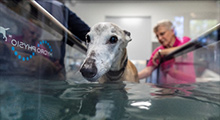
Hydrotherapy, for instance, is an effective approach for many dogs, allowing them to exercise without putting undue stress on their joints. This treatment can significantly improve muscle strength and range of motion, proving especially beneficial for overweight dogs or those suffering from arthritis. The gentle resistance of water enables dogs to build stamina while reducing the risk of further injury. Additionally, you can expect therapeutic exercises tailored to your dog’s capabilities, which may be adjusted regularly to suit their progress.
Emotional Considerations
It is essential to acknowledge that rehabilitation can be as emotionally taxing for dogs as it is physically challenging. Dogs may exhibit signs of anxiety or stress during their visits to the rehabilitation centre. It is crucial to remain calm and supportive during this process; your reaction will significantly influence your dog’s experience. The professionals at the centre are trained to handle these situations sensitively, ensuring your dog feels safe and secure.
Throughout the rehabilitation process, regular check-ins with the veterinary staff will provide insights into your dog’s status and progress. This ongoing communication nurtures trust and reassures you that your dog is receiving the best care. The staff will be keen to answer any questions and provide advice on how to manage your dog’s rehabilitation at home, including suggested exercises to promote further healing.
The Home Environment
In addition to the treatments at the rehabilitation centre, the home environment plays a pivotal role in your dog’s recovery. Adapting your living space to facilitate ease of movement can greatly assist in the rehabilitation process. It may be necessary to limit stairs and create comfortable resting places for your dog. The recovery phase also calls for consistent monitoring of your dog’s progress. Maintaining a log of their activities, behaviours and any noticeable changes will greatly assist your rehabilitation team in assessing their improvement and adjusting treatment plans if necessary.
The emotional bond between you and your dog is crucial during this time. Engaging in gentle play or quiet companionship can provide comfort and support. Your presence acts as a soothing balm, promoting a sense of security in your dog as they navigate their rehabilitation journey.
Participating in a rehabilitation programme at a dog rehabilitation centre is a proactive step toward ensuring the long-term health and well-being of your canine companion. While the process may feel overwhelming at times, knowledge and preparation can help alleviate uncertainty. Remember, the rehabilitation journey is not just about treatment; it is about nurturing hope and healing for your beloved pet.
Contact us at Pet Universe Veterinary Centre to learn more about rehabilitation treatments for your dog.
Acupuncture is a type of traditional Chinese medicine practice aimed at relieving pain and inflammation in the body. It’s a treatment that involves inserting very thin needles gently into specific points on the body to promote healing and relieve pain. While many people are familiar with acupuncture for humans, did you know that this ancient practice can also be beneficial for your pet as well?
As you read on, you will explore the wonders of acupuncture for pets, including what ailments it can treat, the benefits it provides, the differences between needle and laser acupuncture and how to determine if your pet could benefit from this alternative therapy.
What Is Acupuncture Used For?
Acupuncture has been used for centuries to treat a wide range of ailments in both humans and animals. For pets, acupuncture can help with conditions such as arthritis, joint pain, digestive issues, allergies and even anxiety. By stimulating specific points on your pet’s body, acupuncture can help improve circulation, reduce inflammation and balance the body’s energy flow. This holistic approach to healing can complement traditional veterinary care and provide relief for your pet without relying solely on medication.
What Are The Benefits Of Acupuncture For Pets?
The benefits of acupuncture for pets are numerous. Not only can it help alleviate pain and discomfort, but it can also improve mobility, boost the immune system and promote overall well-being. Many pet owners have reported seeing remarkable improvements in their furry companions after just a few sessions of acupuncture. Whether your pet is suffering from a chronic condition or simply needs some extra support during old age, acupuncture can be a gentle yet effective treatment option.
What Methods Of Acupuncture Are Available?
When it comes to acupuncture for pets, there are two main methods: needle acupuncture and laser acupuncture. Needle acupuncture involves inserting tiny needles into targeted acupoints on your pet’s body to stimulate healing. This traditional form of acupuncture is safe and effective when performed by a trained professional. On the other hand, laser acupuncture uses low-level lasers to target acupoints without piercing the skin. This non-invasive technique is ideal for pets who may be sensitive to needles or require a more gentle approach.
Will Your Pet Benefit From Acupuncture?
If your pet is experiencing chronic pain, mobility issues, digestive problems or behavioural issues that have not responded well to conventional treatments, it may be worth considering acupuncture as an alternative therapy. Acupuncture can also be used in conjunction with other treatment approaches. Before starting any new treatment plan for your pet, it is important to consult with a qualified veterinarian who specialises in holistic care to determine the best course of action for your pet’s needs.
Is Laser Acupuncture Better Than Needle Acupuncture?
In deciding between needle and laser acupuncture for your pet’s treatment needs, consider factors such as your pet’s temperament and sensitivity levels. While needle acupuncture is the traditional method with a proven track record of success, laser acupuncture offers a non-invasive option that may be more suitable for certain pets. Ultimately, the goal of both methods is to restore balance and harmony within your pet’s body so they can live their best life.
Acupuncture can be a wonderful healing modality for pets experiencing various health issues or simply in need of some extra support. Whether you choose needle or laser acupuncture for your pet, rest assured that they will receive gentle yet effective care aimed at promoting overall wellness. If you suspect that your pet could benefit from acupuncture services, schedule a consultation with a reputable veterinarian who specialises in holistic care. Your beloved companion deserves nothing but the best when it comes to their health and happiness.
Call our team of veterinary professionals at Pet Universe today.
As a pet owner, the welfare and security of your furry companion are probably some of your top priorities. One crucial step in ensuring your pet’s safety is by microchipping them. While it may seem like a small procedure, the impacts of microchipping can be life-changing.
In this blog post, we’ll dive into the importance of microchipping your pet and why every pet owner needs to consider it.
Identification and Reunion
Collars and tags can easily get lost, but a microchip embedded under your pet’s skin provides a permanent form of identification. If your pet ever goes missing, a microchip can significantly increase the chances of being reunited with them. All it takes is a quick scan by a vet or animal shelter using a microchip scanner to retrieve your contact information from the microchip database. This tiny microchip, about the size of a grain of rice, is implanted under your pet’s skin and contains a bar code which link s to your name, address and phone number.
Quick Injection to Implant
One of the common misconceptions about microchipping is that it is a painful procedure for pets. However, the process is quick and nearly painless for your furry friend. The chip is inserted just under the skin between the shoulder blades using a specialized needle, similar to a routine vaccination. Most pets do not even realize they have been microchipped, and the procedure only takes a few seconds to complete. With minimal discomfort for your pet, you can ensure their safety and security for years to come through this simple procedure.
Legal Requirements
In South Australia, microchipping your pet is a legal requirement. It’s not only necessary for the protection of your pet but also to ensure responsible pet ownership. Failure to comply with these laws result in fines of $2,500. All pets microchipped in South Australia are then logged onto the Dogs & Cats Online website. By ensuring your pet is microchipped, you’re not just abiding by the law and demonstrating responsibility as a pet owner but also providing a crucial safety measure in case your furry mate gets lost. This small act can bring immense peace of mind, knowing your beloved companion can be easily identified and returned home.
Peace of Mind
Knowing that your pet has a microchip can give you peace of mind in case they ever get lost or stolen. The thought of losing a beloved pet can be distressing, but having a microchip can increase the chances of a happy reunion. It also provides peace of mind, knowing that you have proactively ensured the safety and health of your beloved pet, ready to safeguard their wellbeing in any unexpected situations that may arise. Certain microchips such as those used at Pet Universe have an inbuilt thermometer which means your pet never has to put up with a rectal temperature exam.
Affordability and Longevity
Once a microchip is inserted into your pet, it becomes a reliable form of identification that can last a lifetime. This tiny device offers a permanent way to ensure your pet’s safety and secure their identification for years to come. The small cost of microchipping far outweighs the benefits it provides in terms of security and peace of mind. Consider it as a valuable investment in your pet’s safety and wellbeing, ensuring they receive the care and protection they deserve.
Microchipping your pet is a crucial step in ensuring their safety and security. From providing permanent identification to complying with legal requirements, the benefits of microchipping are numerous. As a responsible pet owner, it’s essential to consider the welfare of your pet and take proactive measures to protect them.
So, if you haven’t already, please consider microchipping your pet today and give yourself the peace of mind of knowing that your furry mate is always safe and secure. Get in touch with us now, don’t wait until it’s too late. Secure your pet’s safety and wellbeing for years to come by microchipping them today. Contact the team at Pet Universe for more helpful information.
As a pet owner, safeguarding your furry friend’s health and wellbeing should be one of your priorities. Some of the ways to secure your pet’s health are by providing a balanced diet, exercising them regularly and taking them to the veterinarian for regular checkups. Another way to protect your furry friends is by getting them vaccinated. In this blog post, we will delve into why pet vaccinations are vital for your furry friend’s health.
Pet Vaccinations Prevent Deadly Diseases
Pets that are not vaccinated are at a higher risk of contracting diseases such as rabies, distemper, parvovirus, hepatitis, and many more. These diseases can be fatal, and in some cases, they can infect humans too. It is essential to consult your veterinarian to know the appropriate vaccinations to be administered to your pet and the frequency at which they should receive them.
Saves You Money in the Long Run
While vaccines come at a cost, getting your pet vaccinated is more economical as it helps to prevent diseases that would cost significantly more to treat if your pet becomes infected. Vaccinations help to prevent critical illnesses that may require surgery or intensive care, which can be costly.
Required for Boarding and Travelling
If you plan on travelling with your pet or boarding them in a facility, it is usually required that they are up to date on their vaccinations. These requirements are set in place to prevent the spread of diseases in communal spaces. Therefore, getting your pet vaccinated helps prevent the hassle of rescheduling your travel plans or finding alternative boarding arrangements.
Protection for Other Animals
Vaccinations not only protect your pet but also other pets they come into contact with. Pets are social creatures, and they love playing with other pets. Having your furry friend vaccinated not only ensures its safety but also that of other pets they interact with, whether inside or outside your home.
Other Benefits of Pet Vaccinations
Aside from preventing diseases and protecting your pet’s health, vaccinations also have other benefits. For instance getting your pet vaccinated also helps to support the concept of herd immunity, where a large population is protected from contagious diseases if the majority are immune. This is especially important for pets that cannot be vaccinated for health reasons or young animals that have not yet completed their vaccination schedule.
Lastly, regular vaccinations can also serve as an opportunity for your veterinarian to conduct routine checkups and monitor your pet’s overall health. This can help catch any potential health issues early on, allowing for prompt treatment and better outcomes.
Pet vaccinations are an essential aspect of pet healthcare. They play a vital role in protecting your furry friend from deadly diseases, saving you money in the long run, fulfilling travel and boarding requirements, safeguarding other animals they come into contact with, and providing tailored vaccination schedules for your pets.
Vaccinations work by building your pet’s immunity to the diseases, making it better equipped to ward off infections. Consult our veterinarian today to know the best vaccination schedule for your furry friend and ensure you keep up with them to protect your furry friend from disease.
Next Page »