
Dog Cruciate Ligament Repair Recovery: A Week-by-Week Guide for Adelaide Pet Owners
14 August 2026
Recovering from cruciate ligament repair dog surgery can feel overwhelming, but understanding what to expect each week makes the process far more manageable. A torn cranial cruciate ligament (CCL) is one of the most common orthopaedic injuries in dogs, and recovery matters just as much as the procedure itself.
Weeks 1 and 2: Strict Rest and Wound Care
The first two weeks are the most critical. Your dog needs strict rest with no running, jumping, rough play, or off-leash time. Confine your dog to a small area or crate, with short, controlled toilet breaks on a lead as the only outdoor activity.
Check the incision site daily for redness, excessive swelling, or discharge. Give pain medication exactly as directed, and use a recovery collar to prevent licking or scratching at the wound.
Weeks 3 to 6: Controlled Movement Begins
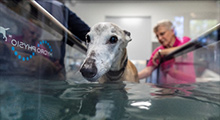
Short leashed walks can typically begin around weeks 3 to 4, subject to your vet’s instructions. Structured rehabilitation often starts during this phase, including gentle range-of-motion exercises, therapeutic massage, and modalities such as an underwater treadmill or laser therapy.
Professional rehabilitation makes a measurable difference here. Structured post-surgical rehab can prevent up to 40% of muscle loss in the operated leg compared with no rehabilitation. Adelaide dog owners benefit from on-site rehabilitation at the Adelaide Canine Rehabilitation Centre, part of the Pet Universe Northgate facility, so surgery and rehab happen under the one roof.
Weeks 7 to 12: Progressive Activity and Rehabilitation
Walk duration and frequency gradually increase under professional guidance during this phase. Rehabilitation exercises focus on strength, balance, and proprioception.
Dr Chris Lee is a Certified Canine Rehabilitation Practitioner and one of very few holding that qualification in South Australia. With more than 20 years of cruciate repair experience, his structured programme may help dogs return to full function twice as quickly in up to 80% of cases. Regenerative medicine treatments, which use the animal’s own activated tissue to accelerate healing, may also support recovery during this period.
What Does Dog Rehabilitation After Cruciate Repair Involve?
Rehabilitation typically combines hydrotherapy, therapeutic ultrasound, electrical stimulation, physiotherapy, and guided home exercise, each programme tailored to the individual dog’s size, breed, and surgical outcome.
3 to 6 Months: Return to Normal Activity
Most dogs return to normal daily activity between 3 and 6 months post-surgery. A compelling example is Rambo, a patient who ruptured both cruciate ligaments simultaneously and was climbing stairs and walking in the garden at his 12-day follow-up.
Common Mistakes That Can Set Recovery Back
Several owner behaviours can slow healing after CCL surgery. Allowing off-leash activity too soon, skipping follow-up appointments, ignoring exercise restrictions in the first six weeks, and stopping pain medication early without veterinary advice can all set recovery back. Following your vet’s post-operative instructions closely gives your dog the greatest chance of a smooth recovery.
Warning Signs to Watch for After Surgery
Contact your clinic immediately if you notice redness, heat, or excessive swelling around the incision site; discharge or an unpleasant odour from the wound; a sudden worsening of lameness after initial improvement; or lethargy and loss of appetite. Catching complications early prevents minor setbacks from becoming serious problems.
Ready to Support Your Dog’s Recovery in Adelaide?
Pet Universe in Adelaide, SA, offers cruciate ligament repair dog surgery and on-site rehabilitation under the one roof. Book a consultation or follow-up by calling 08 8369 3111, or book an appointment online. Visit the Cruciate Repairs in Dogs Adelaide page or explore the Adelaide Canine Rehabilitation Centre to learn more.